Custom Screen Printing for Brands & Teams
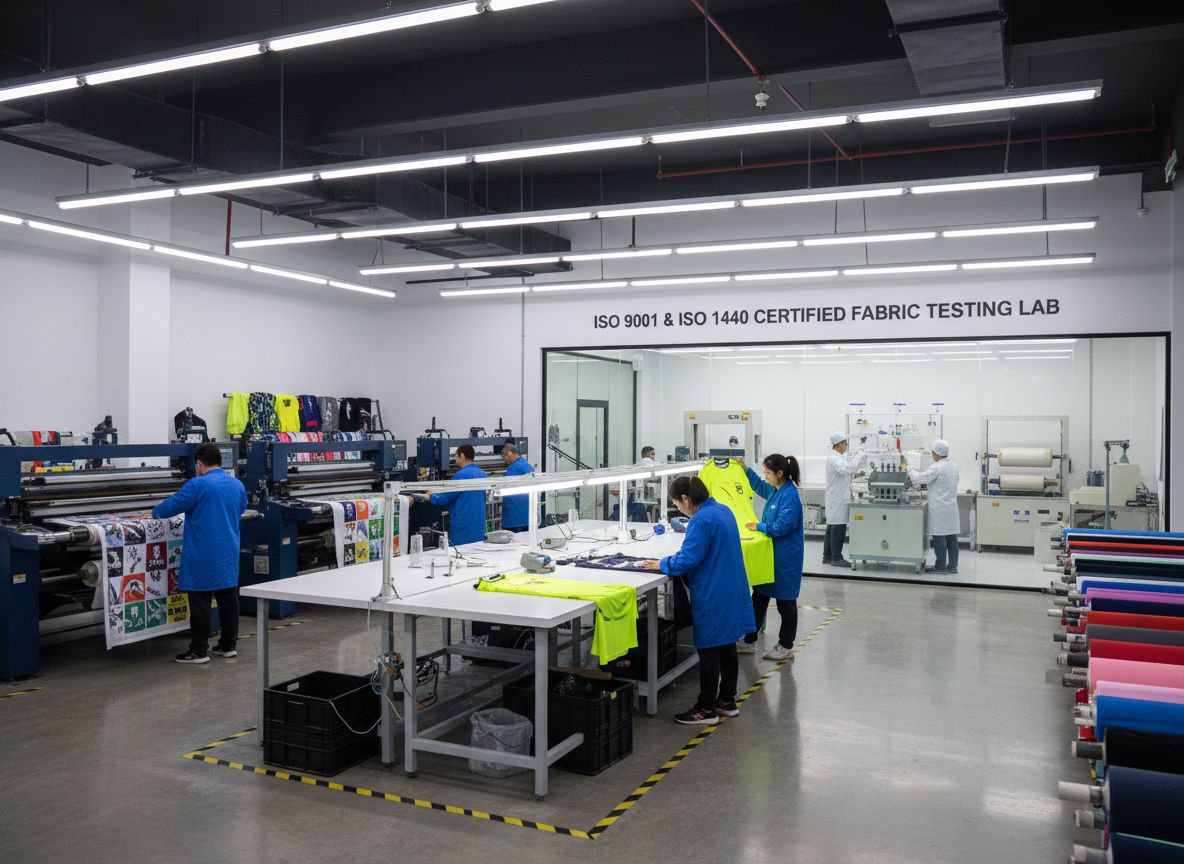
High-quality screen printing for streetwear, sportswear, and uniforms — built to handle real wear, repeat orders, and strict brand standards. 6 ink methods, flexible MOQs from 20 pieces, and AQL-inspected quality on every order.
Types of screen printing we offer
Different inks and techniques create different results. Here's a detailed breakdown of each method — what it is, how it works, and which fabrics and use cases it's best for.
Plastisol Printing
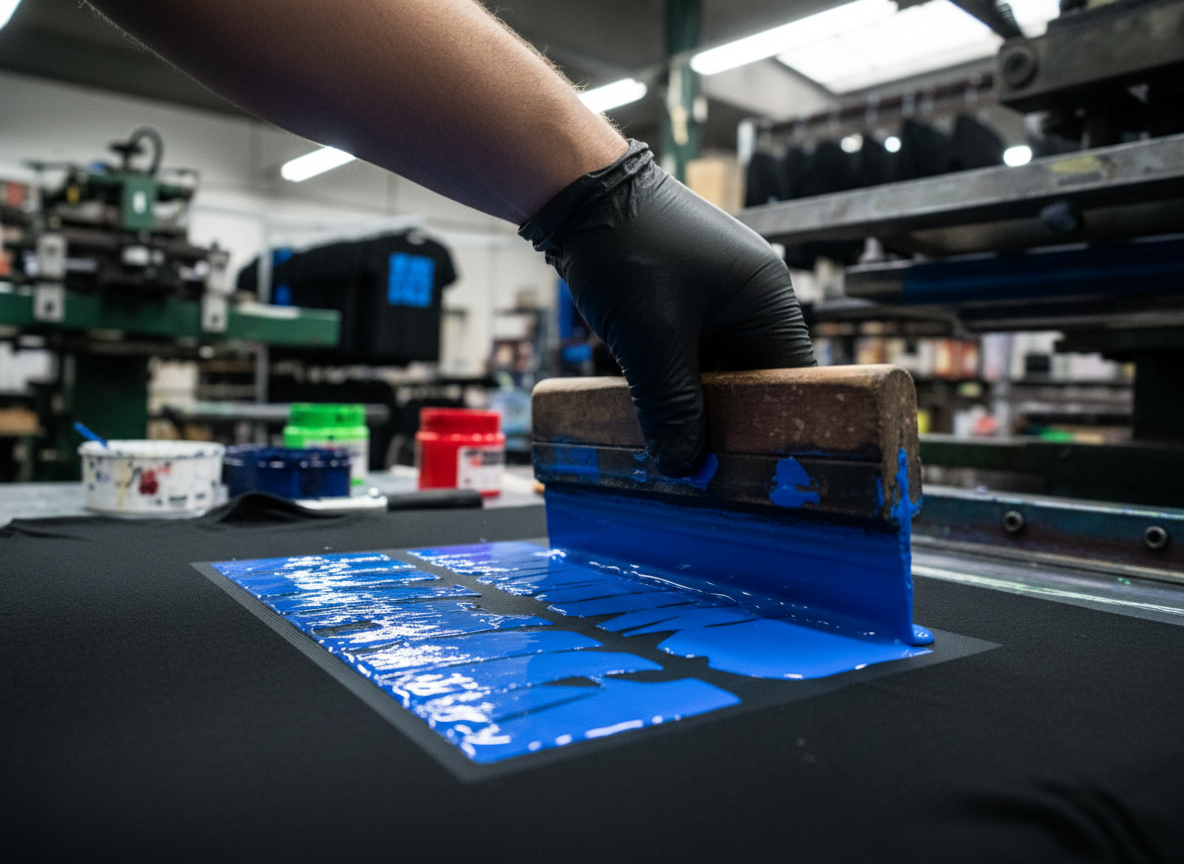
Plastisol is a PVC-based ink that sits on top of the fabric surface rather than soaking in. It's the most widely used screen printing ink in the world — and for good reason.
Ink is pushed through a mesh screen onto the garment, then heat-cured at ~320°F (160°C). The ink bonds to the fabric surface, creating a thick, opaque layer with vibrant color. We lock the setup, ink mix, and cure profile so every batch matches.
Works on almost everything — cotton, polyester, poly-cotton blends, fleece, French terry, and heavy GSM streetwear blanks (500+ GSM).
Bulk streetwear, team uniforms, workwear, bold logos, and solid color designs where durability matters most.
Slightly raised, smooth, and rubbery. You can feel the print on the fabric.
Excellent. Resists cracking and fading through 50+ washes when properly cured.
Water-Based Printing
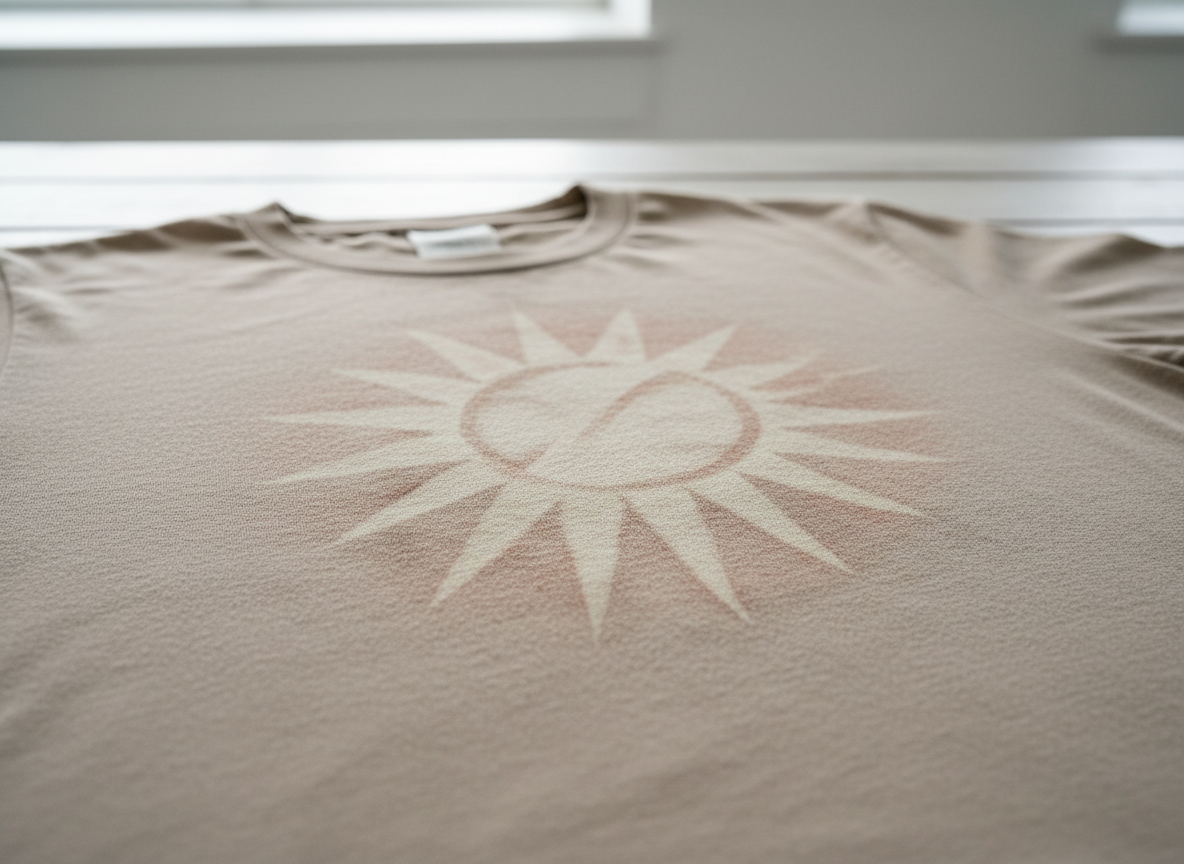
Water-based inks use water as the solvent instead of PVC. The ink absorbs into the fabric fibers rather than sitting on top, creating a print you can barely feel.
Ink is pushed through the screen and soaks into the garment fibers. It's then heat-cured to evaporate the water and bond the pigment. The result is a print that becomes part of the fabric itself.
Best on 100% cotton and cotton-rich blends. Works especially well on lighter GSM tees (140–250 GSM). Not ideal for dark polyester.
Premium fashion brands, soft-touch streetwear, retail-quality tees, and any design where a 'no print feel' matters.
Ultra soft. The print feels like part of the fabric — no raised texture.
Good. Slightly less durable than plastisol on heavy-wash items, but excellent for fashion and retail wear.
Discharge Printing
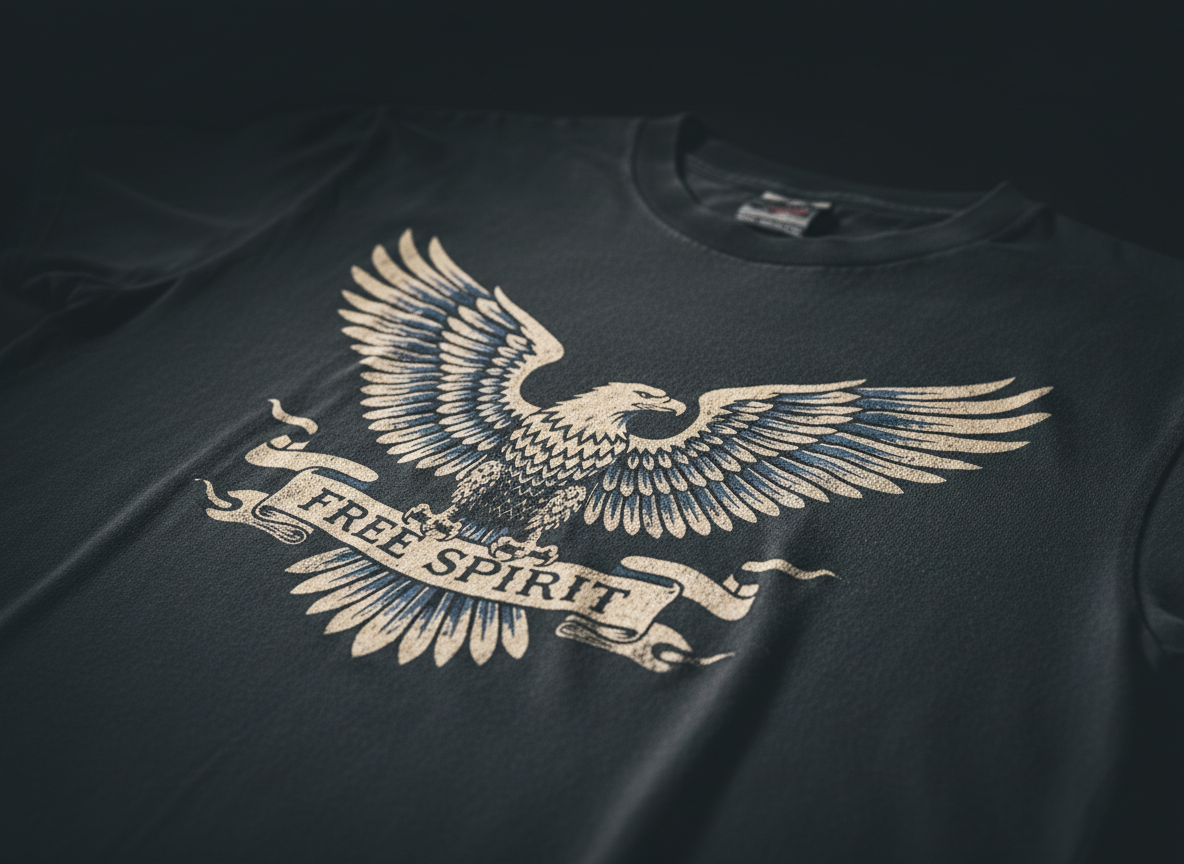
Discharge ink contains a chemical agent that removes the dye from the fabric and replaces it with a new pigment color. The result is a print that lives inside the fabric with a worn-in, vintage aesthetic.
The discharge agent is screen-printed onto dyed cotton. When heat-cured, it strips the original dye and deposits new pigment in its place. The fabric color changes without adding any layer on top.
Only works on dyed 100% cotton or cotton-rich fabrics. Does not work on polyester or synthetic blends. The base garment must be reactive-dyed.
Fashion-forward brands, limited drops, vintage-inspired streetwear, and any design where a soft, worn-in look is the goal.
Zero hand-feel. The print is completely flush with the fabric — you can't feel it at all.
Good on cotton. Color may shift slightly over many washes, which adds to the vintage character.
Puff / 3D Printing
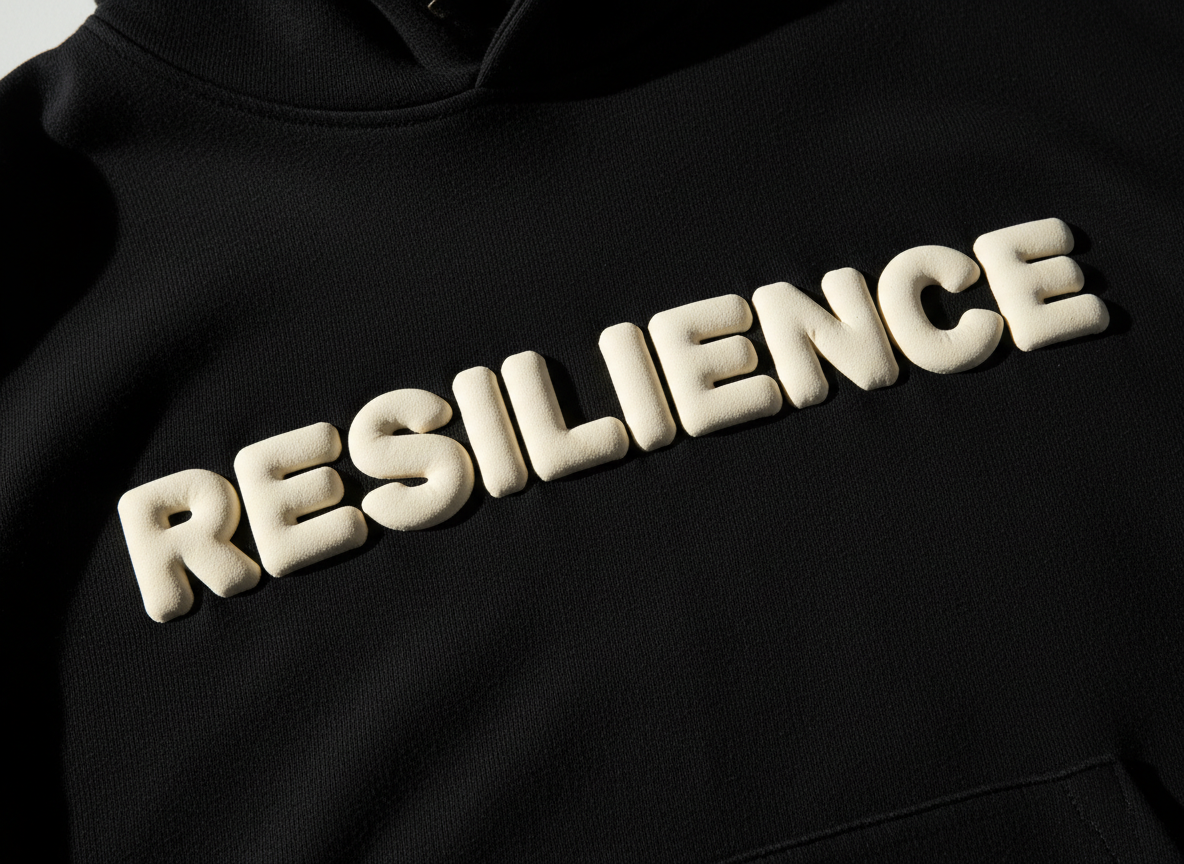
Puff ink is a special additive mixed into plastisol that expands when heat-cured, creating a raised, 3D texture on the garment. It's a bold, tactile effect that grabs attention.
Puff additive is mixed into the ink, screen-printed normally, then heat-cured at a higher temperature. The additive expands during curing, lifting the print off the fabric surface to create a rounded, raised effect.
Works best on cotton, cotton blends, and fleece. Heavier fabrics (300+ GSM) give the best visual impact. Can be used on hoodies, sweatshirts, and heavyweight tees.
Hoodies, sweatshirts, varsity-style pieces, statement logos, and any design where you want a premium, tactile feel.
Raised, soft, and pillowy. The print has visible height and texture you can feel immediately.
Good. Holds up well through regular washing. Avoid high-heat dryers to maintain the puff effect long-term.
High-Density / Silicone Printing
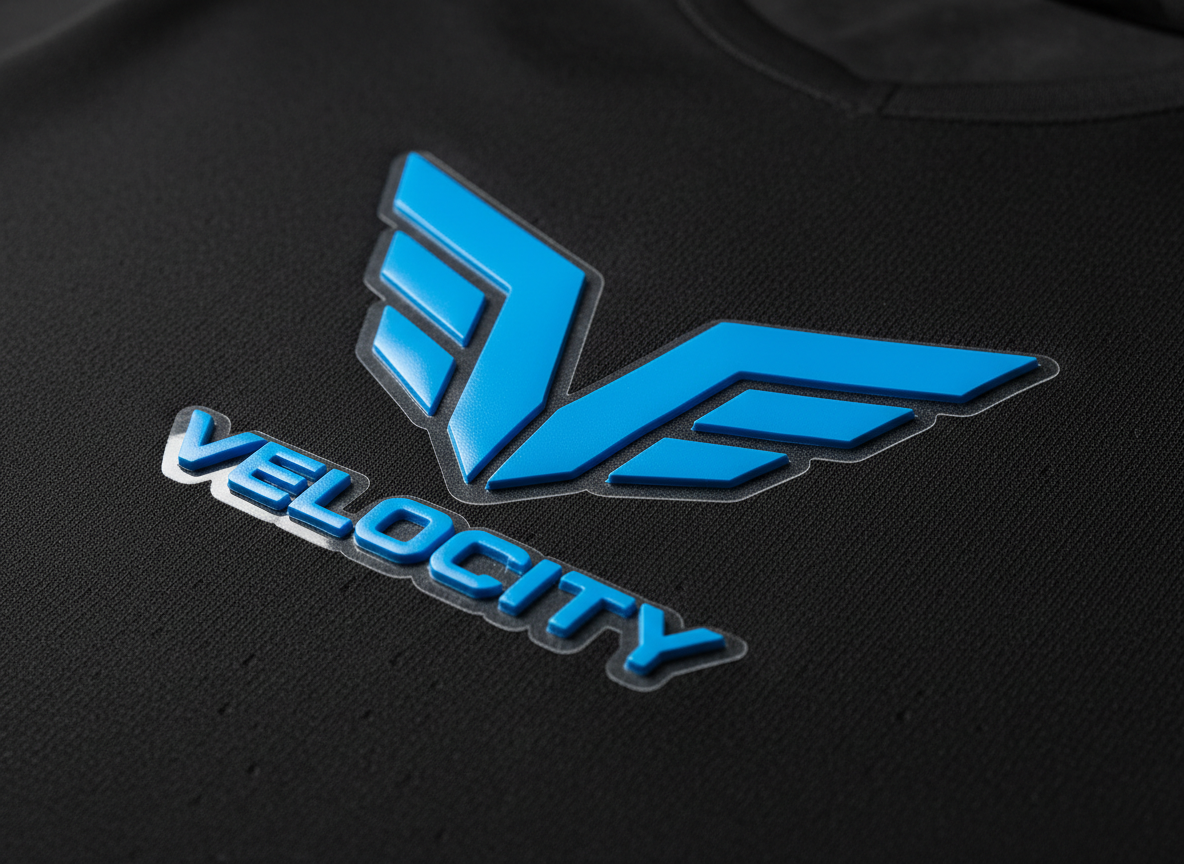
High-density printing uses thick silicone-based ink applied in multiple layers to create a sharp, raised, rubber-like finish. It's the go-to for modern sportswear and performance branding.
Multiple layers of silicone ink are built up through the screen, then cured to create a thick, defined print with clean edges. The result is a smooth, flexible, almost molded look.
Works on cotton, polyester, performance fabrics, jerseys, and stretch materials. Great on both light and heavy GSM garments.
Sportswear logos, performance gear, athletic team branding, modern streetwear details, and small precision elements like sleeve prints or chest logos.
Smooth, rubbery, and flexible. Sharp edges with a premium, almost injection-molded look.
Excellent. Highly resistant to cracking, peeling, and fading. Performs well on stretch and performance fabrics.
Specialty Inks
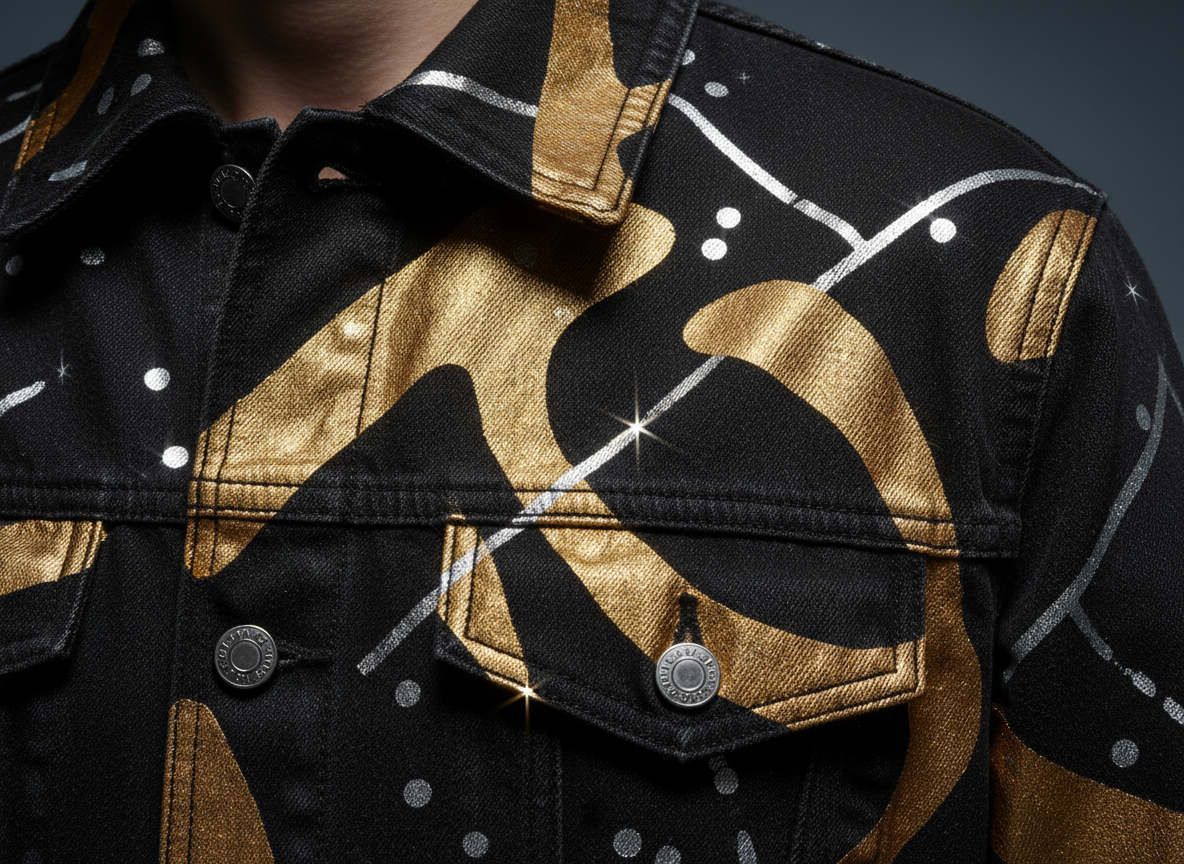
Specialty inks include metallic, reflective (3M-style), glow-in-the-dark, glitter, and other effect-based inks. They're used for standout collections, limited editions, and designs that need to turn heads.
Each specialty ink has its own process. Metallic inks contain fine metal flakes. Reflective inks use glass bead technology. Glow inks absorb light and emit it in the dark. We select the right mesh, ink system, and cure profile for each effect.
Varies by ink type. Most work on cotton and blends. Reflective inks work well on performance and outerwear fabrics. We'll recommend the best combination based on your design and garment.
Limited drops, festival merch, safety/visibility gear (reflective), nightlife collections (glow), premium fashion details (metallic/glitter).
Varies — metallic is smooth and shimmery, reflective has a subtle texture, glitter has a grainy sparkle, glow is smooth like plastisol.
Good to excellent depending on the ink type. Reflective and metallic hold up very well. Glow may fade over many washes but remains functional.
Screen Printing Methods: Side-by-Side Comparison
Not sure which screen printing method fits your project? Compare all six types at a glance — feel, durability, fabric compatibility, and wash performance.
Plastisol Screen Printing
Water-Based Screen Printing
Discharge Screen Printing
Puff / 3D Screen Printing
High-Density Screen Printing
Specialty Screen Printing
Still not sure which screen printing method is right? Send us your artwork and fabric details — we'll recommend the best approach.
Get a recommendationOur Screen Printing Process — From Artwork to Delivery
We run screen printing like a production system, not a one-off job. Here's exactly what happens from the moment you reach out to receiving your finished garments.
Send your artwork & details
Share your design files (vector preferred), garment type, fabric/GSM, quantities, and deadline. If you have a tech pack, include it — it speeds everything up.
We recommend the best print method
Based on your artwork, fabric, and goals, we'll suggest the right ink system, mesh count, and cure profile. We'll confirm color matching (Pantone or custom mix).
Sample production (~7 days)
We produce a physical sample with the exact print method, ink, and garment. You review it, request changes if needed, and approve before we move to bulk.
Bulk production (~15 days)
Once approved, we lock the setup and run production. Hourly QC audits check stitch alignment, print placement, color consistency, and measurements (±0.5 cm).
Final QC & packaging
Every order goes through AQL final inspection — print quality, measurements, labels, packaging, and needle detection. We handle all export documentation.
International shipping
We ship via UPS, FedEx, or DHL to the USA and Europe. Express (~7 working days) or economical (~15 working days) — your choice. Full tracking provided.
Frequently asked questions
Quick answers to the most common questions we get from brands and teams about screen printing.
If you already have a tech pack, include it with your quote request. It should cover: garment type, fabric/GSM, print placements, color references, size run, and quantities. This speeds up our response significantly.
What file formats should I send for screen printing?+
Vector files (AI, EPS, PDF) are best for clean, sharp prints. If you only have PNG or JPG, send the highest resolution you have (300 DPI minimum) and we'll confirm if it's print-ready.
Can you match Pantone colors?+
Yes. Share your Pantone references or brand guide, and we'll mix inks to match. We confirm with a strike-off sample when needed so you see the exact color before bulk.
What's the minimum order quantity (MOQ)?+
Our standard MOQ is 20 pieces per color/design with full customization. If you need custom fabric (specific GSM, composition, or color), the first batch requires 500 pieces.
How long does sampling and bulk production take?+
Sampling is typically ~7 working days. Bulk production is ~15 working days depending on complexity and quantities. We'll give you a clear timeline upfront.
Do you print on heavy GSM hoodies and fleece?+
Yes. We regularly print on 400–500+ GSM fleece, French terry, and heavyweight streetwear blanks. We adjust the ink system, mesh count, and curing profile for durability on thick fabrics.
Can you combine multiple print methods on one garment?+
Absolutely. We often combine plastisol with puff, high-density with metallic, or discharge with water-based on the same piece. Tell us your vision and we'll engineer the right approach.
Do you ship to the U.S. and Europe?+
Yes. We ship internationally via UPS, FedEx, and DHL with full export documentation. Express shipping takes ~7 working days, economical ~15 working days.
What quality control do you run?+
Every order goes through pre-production checks, hourly in-line audits (placement, color, measurements ±0.5 cm), and AQL final inspection. We also run needle detection for export safety compliance.
Request a screen printing quote
Share the basics and we'll come back with the best print method, timeline, and pricing. If you have a tech pack, include it in your message — it speeds everything up.
We typically reply within a few hours.